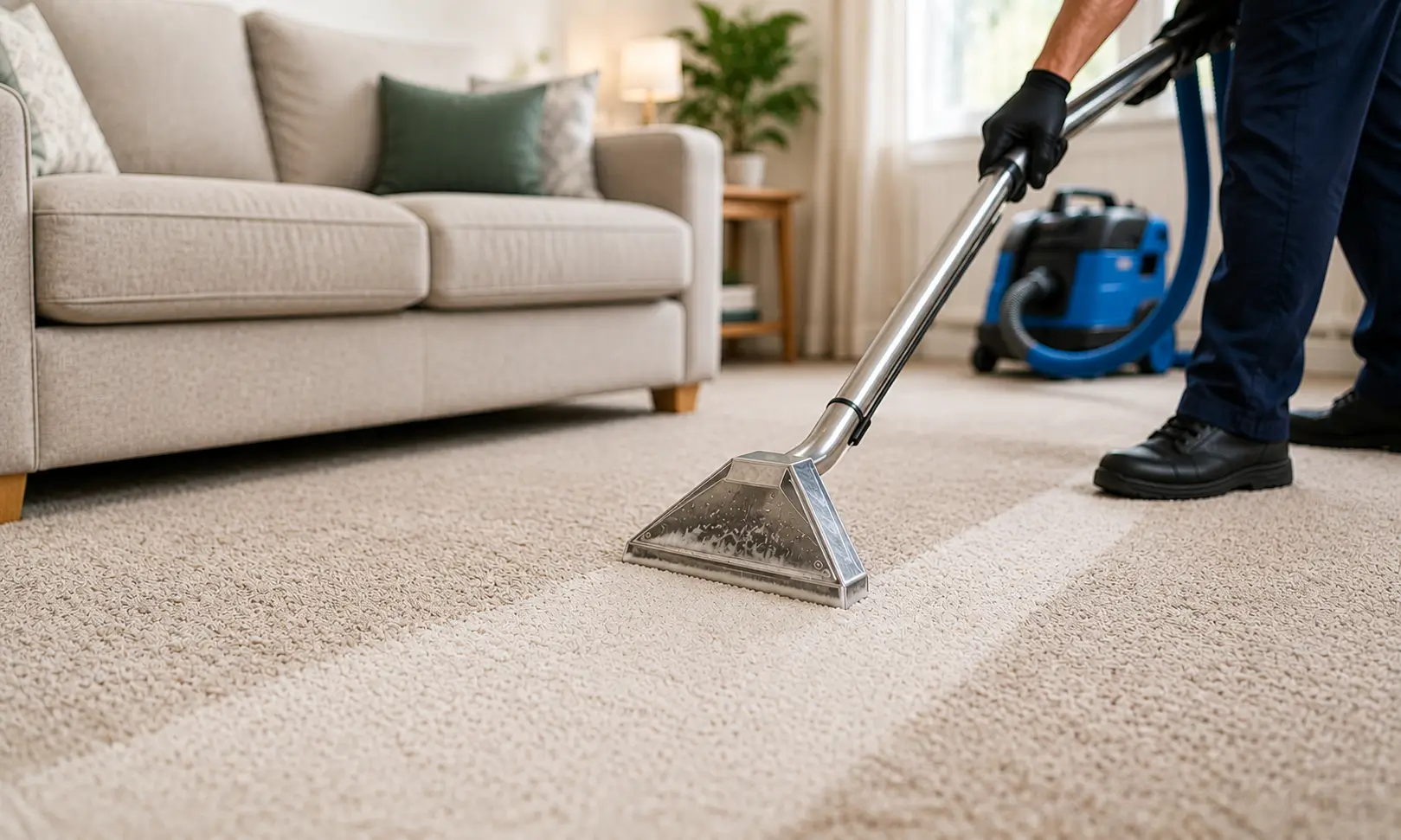
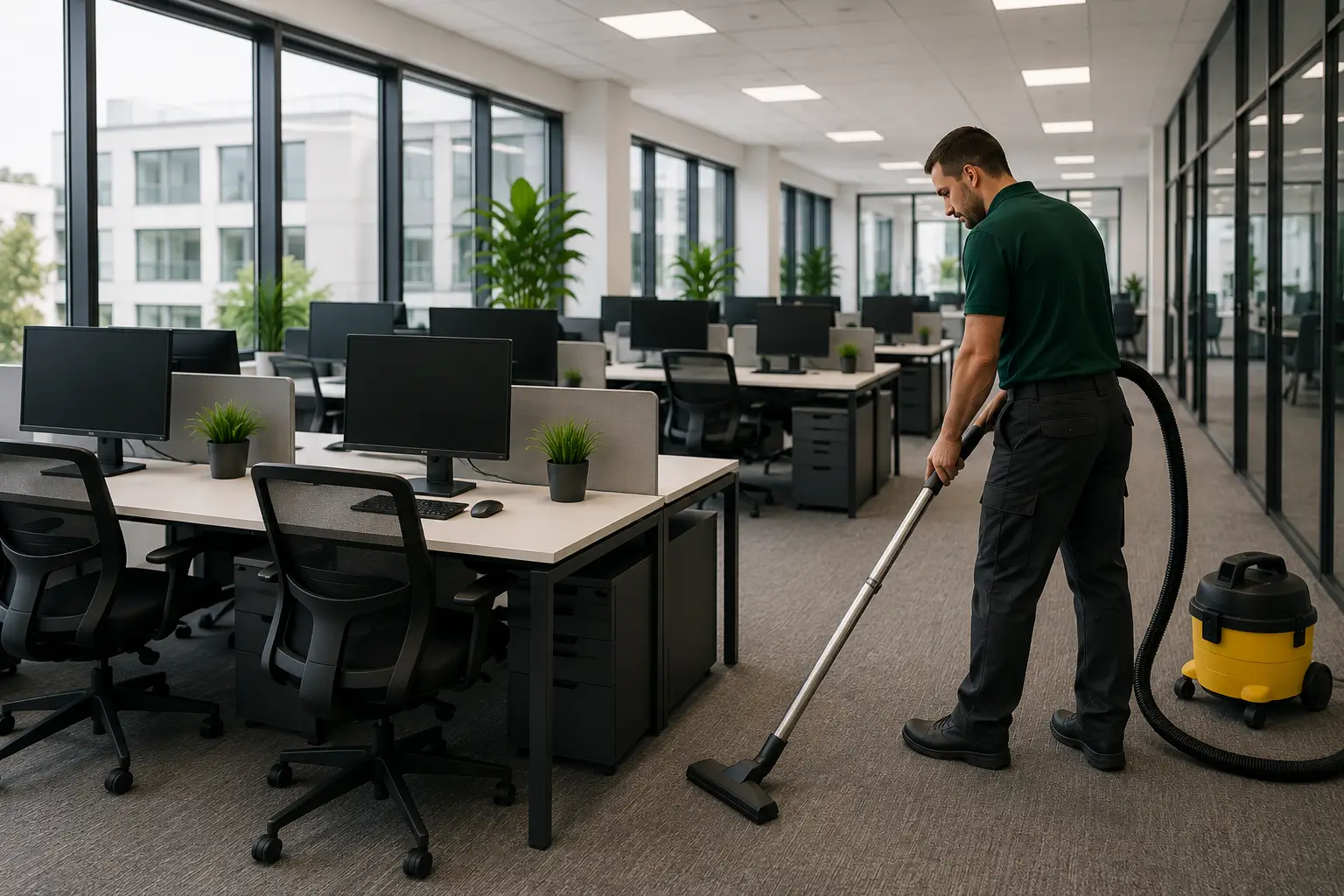
It’s a fair question. If you’ve got children, pets, work calls, tenants moving in or furniture to put back, you need to know when the room can be used again.
The short answer is that drying time depends on the carpet, the cleaning method, airflow, room temperature and how much cleaning was needed. A lightly soiled carpet in a warm, well-ventilated room will usually dry faster than a thick carpet in a cold room with poor airflow.
At Oak Green Cleaning, we provide professional carpet cleaning for homes, landlords, tenants and local businesses across Hertfordshire, Essex and North London. You can find out more about our service here: professional carpet cleaning.
Short answer
Most carpets take several hours to dry after professional cleaning, but the exact carpet drying time depends on the carpet type, how dirty it was, the cleaning method used, ventilation, heating and humidity.
You can usually walk on the carpet lightly after cleaning if needed, ideally with clean socks or indoor footwear, but it’s best to avoid heavy use until it is fully dry. Keeping windows open, improving airflow and avoiding putting heavy furniture back too soon can help the carpet dry faster.
How long do carpets take to dry after cleaning?
Carpet drying time can vary from home to home. Some carpets feel touch-dry fairly quickly, while others take longer, especially if they are thick, heavily soiled or in a room with limited airflow.
As a general guide, drying time is affected by:
- The type and thickness of the carpet
- How much moisture was needed during cleaning
- How powerful the extraction equipment is
- The amount of dirt or staining in the carpet
- Room temperature
- Airflow and ventilation
- Humidity levels
- Whether the room gets natural sunlight
It’s useful to think of drying time as part of the cleaning process, not an inconvenience afterwards. A carpet needs to be cleaned properly, but it also needs to dry properly.
Why drying times vary so much
Two carpets can be cleaned on the same day and dry at different speeds. That doesn’t always mean one has been cleaned better or worse. It usually comes down to the conditions in the room and the carpet itself.
Carpet thickness
A thicker pile carpet will usually hold more moisture than a thin, low-pile carpet. Deep, soft carpets can feel damp for longer because moisture sits lower in the fibres.
Shorter carpets, office carpets and some synthetic carpets may dry more quickly, especially if the room has good airflow.
How dirty the carpet was
A carpet with light everyday soil may need less cleaning solution and fewer passes than one with heavy foot traffic, spills or pet odours.
Heavily soiled carpets often need more time and moisture to clean properly. The aim should never be to soak the carpet, but a dirtier carpet may naturally take longer to dry than a light maintenance clean.
Cleaning method
Different carpet cleaning methods have different drying times. Hot water extraction, often called steam cleaning, usually leaves the carpet damp but should not leave it soaking wet when done correctly.
Low-moisture methods may dry faster, but they are not always the best option for every carpet or every level of soiling.
A good carpet cleaner will choose a method based on the carpet, the condition and what you need from the clean.
Ventilation
Airflow makes a big difference. A carpet in a room with open windows, internal doors open and good air movement will usually dry faster than one in a closed room with still air.
This is why drying can sometimes take longer in small bedrooms, flats, basement rooms or rooms with limited opening windows.
Temperature and humidity
Warm, dry air helps moisture evaporate. Cold, damp air slows the process down.
In winter, carpets may take longer to dry unless the room is gently heated and ventilated. In summer, open windows can help, but on very humid days drying may still be slower than expected.
Can I walk on carpet after cleaning?
Yes, you can usually walk on carpet after cleaning if you need to, but it’s best to keep foot traffic to a minimum while it dries.
If you do need to walk across the carpet, try to:
- Wear clean socks or clean indoor slippers
- Avoid outdoor shoes
- Keep pets off the carpet until it is dry
- Avoid heavy use of the room
- Take care because damp carpet can feel slightly slippery underfoot
Walking lightly over a damp carpet is usually fine. The bigger issue is bringing dirt back onto the carpet before it has fully dried.
If the clean is for an end of tenancy property, it’s best to arrange carpet cleaning after removals and other messy work have finished. Otherwise, people may walk dirt back through freshly cleaned carpets.
Can I put furniture back straight away?
It’s best not to put heavy furniture back onto damp carpet straight away unless protective tabs or blocks are used.
This is because furniture can:
- Slow down drying underneath the item
- Leave pressure marks in the damp pile
- Cause wood stain to transfer onto the carpet
- Cause rust marks from metal feet
- Trap moisture under heavy items
Light furniture may be moved back carefully if needed, but heavier items should ideally wait until the carpet is fully dry.
If furniture needs to go back sooner, ask your carpet cleaner for advice. They may use protective pads, foil tabs or recommend leaving certain items off the carpet for longer.
How to dry carpet faster after cleaning
You can’t always control drying time completely, but there are several simple things you can do to help dry carpet faster.
Open windows where practical
Fresh air helps moisture leave the room. If the weather is suitable, open windows slightly to improve ventilation.
You don’t always need every window wide open. Even a small amount of airflow can help.
Keep internal doors open
Opening internal doors helps air move through the property. This is especially useful in bedrooms, hallways and smaller rooms.
Use heating sensibly
In colder months, gentle heating can help. The room doesn’t need to be hot, but a cold room will usually dry more slowly.
Try to combine warmth with ventilation. Heat without airflow may not be as effective.
Use fans if you have them
A fan can help move air across the carpet and speed up drying. It doesn’t need to be a specialist fan. A normal household fan can help in many cases.
Position it safely and avoid trailing cables across damp areas.
Avoid covering the carpet
Don’t put rugs, plastic sheets, blankets or furniture covers over damp carpet. This traps moisture and slows drying.
Keep the room lightly used
The less traffic the carpet gets while drying, the better. This helps avoid new marks and allows air to circulate more freely.
What not to do while carpets are drying
Some common mistakes can make drying slower or cause new problems.
- Don’t walk on damp carpet with outdoor shoes
- Don’t put rugs back too soon
- Don’t drag furniture across damp carpet
- Don’t close the room up with no airflow
- Don’t let pets lie on the carpet while it is still damp
- Don’t use excessive heat directly on one area
Avoid using strong direct heat, such as placing a heater too close to the carpet. Gentle warmth and airflow are usually safer than trying to force the carpet dry too quickly.
Why does my carpet still feel damp?
If your carpet still feels damp a few hours after cleaning, it does not automatically mean something has gone wrong.
It may be because:
- The carpet is thick
- The room has poor airflow
- The weather is cold or humid
- The carpet needed more cleaning due to heavy soiling
- The room has little natural ventilation
- Furniture is slowing airflow over parts of the carpet
That said, a carpet should not be left soaking wet after a professional clean. If it feels very wet, smells musty or is still heavily damp much later than expected, contact the cleaner and ask for advice.
A professional cleaner should be willing to explain what is normal and what needs checking.
Will carpet smell while it dries?
A freshly cleaned carpet may have a mild damp or cleaning-product smell while it dries. This should usually fade as the carpet dries and the room airs out.
If there were existing odours in the carpet, especially pet urine, damp smells or old spills, these can sometimes become more noticeable when moisture is added. That doesn’t always mean the clean has caused the smell. It may mean odour deeper in the carpet, underlay or subfloor has been reactivated.
This is why pet odours should be mentioned before the clean starts. They may need separate treatment rather than a standard carpet clean.
If pet smells are a concern, ask about odour treatment before booking your carpet cleaning appointment.
Does carpet type affect drying time?
Yes, carpet type can make a noticeable difference.
| Carpet type | How it may affect drying |
|---|---|
| Thick pile carpet | Can hold more moisture and take longer to dry |
| Short pile carpet | Often dries faster with good airflow |
| Wool carpet | May need more careful cleaning and drying advice |
| Synthetic carpet | Often responds well to professional cleaning and may dry more predictably |
| Commercial carpet | Usually shorter pile and may dry faster, depending on method and ventilation |
If you are unsure what type of carpet you have, don’t worry. A cleaner can usually assess it during the visit and explain any drying considerations.
Drying times for stairs, landings and hallways
Stairs, landings and hallways often get more foot traffic than other areas. They may also need more careful cleaning because dirt is pressed into the fibres by daily use.
These areas can sometimes feel damp for longer if they needed extra work or if airflow is limited.
After cleaning stairs, take extra care. Damp stairs can be more slippery than usual, especially if you are wearing socks. Use the handrail and avoid rushing up and down until they are fully dry.
Drying carpets after end of tenancy cleaning
If you are moving out, drying time matters because you may have a checkout inspection, key handover or new tenants arriving.
For end of tenancy carpet cleaning, it’s usually best to:
- Book carpet cleaning after removals are complete
- Avoid booking immediately before the checkout if possible
- Allow enough time for carpets to dry
- Keep windows open if safe and practical
- Avoid letting tradespeople walk through afterwards
- Keep proof of professional cleaning if required
If a landlord or letting agent has asked for carpets to be professionally cleaned, timing the appointment properly can save stress.
For move-out cleaning, you may also find our end of tenancy carpet cleaning information useful. [Internal link: End of Tenancy Cleaning service page]
Drying carpets in commercial properties
For shops, offices, clinics and other business premises, drying time needs to be planned around staff, customers and opening hours.
In commercial settings, it may be helpful to:
- Book cleaning outside normal opening hours
- Clean in sections if the premises must remain usable
- Improve airflow overnight where safe
- Keep staff off cleaned areas until dry
- Use entrance mats once the carpet is back in use
A good cleaner should discuss access, timings and drying expectations before the job starts.
For business premises, see our commercial carpet cleaning service.
What if you need the carpet dry quickly?
If drying time is a concern, mention it before booking. For example, you may need the room ready for guests, children coming home, a tenant moving in or a business reopening.
The cleaner may be able to advise on:
- The best time of day to book
- Which rooms to clean first
- How to improve airflow afterwards
- Whether certain furniture should stay out longer
- What drying time is realistic for your carpet
It’s better to be upfront than to assume the room will be ready immediately. Most drying issues can be managed with good planning.
Practical advice before and after carpet cleaning
To help your carpets dry properly and avoid problems, use this simple checklist.
Before the clean
- Move small items from the floor
- Clear access to the rooms being cleaned
- Move fragile items out of the way
- Tell the cleaner about stains, odours or previous cleaning attempts
- Let the cleaner know if the room needs to be used later that day
- Arrange parking if possible
After the clean
- Ventilate the room
- Use gentle heating if needed
- Keep pets and children away while the carpet dries
- Avoid outdoor shoes on the carpet
- Do not replace rugs too soon
- Wait before moving heavy furniture back
These small steps can make a real difference to drying time and the final result.
When to call a professional
If you are worried about drying time because of a previous bad experience, it is worth choosing a professional cleaner rather than trying to soak the carpet yourself with a hired machine.
You should call a professional if:
- Your carpet smells damp or musty after previous cleaning
- You have pet odours or urine marks
- The carpet is heavily soiled
- You need carpets cleaned before moving out
- You are cleaning multiple rooms
- You have a wool or delicate carpet
- You need advice on drying and aftercare
Professional equipment, proper extraction and sensible aftercare advice all help reduce the risk of carpets staying wet for too long.
To discuss your carpet and get a clear quote, visit our main carpet cleaning page.
FAQs
How long do carpets take to dry after cleaning?
Most carpets take several hours to dry after cleaning, but the exact time depends on the carpet type, cleaning method, ventilation, temperature, humidity and how much cleaning was needed. Thick carpets and heavily soiled areas may take longer.
Can I walk on carpet after cleaning?
Yes, you can usually walk lightly on carpet after cleaning if needed, but it is best to avoid heavy foot traffic until it is fully dry. Wear clean socks or indoor footwear and avoid outdoor shoes.
How can I dry carpet faster after cleaning?
To dry carpet faster, improve airflow by opening windows where practical, keeping internal doors open, using gentle heating in colder months and using a fan if available. Avoid covering the carpet or putting heavy furniture back too soon.
Why is my carpet still damp after cleaning?
Your carpet may still feel damp because it is thick, the room has poor ventilation, the weather is humid, or the carpet needed more cleaning due to heavy soiling. However, it should not be left soaking wet after a professional clean.
Should I put furniture back on damp carpet?
It is usually best to wait until the carpet is dry before putting heavy furniture back. Damp carpet can be marked by furniture feet, and wood or metal may transfer stains or rust. If furniture must be replaced sooner, ask your cleaner about protective pads.
Need your carpets cleaned properly?
If you want cleaner carpets without being left guessing about drying times, Oak Green Cleaning can help.
We’ll explain what to expect, clean your carpets carefully and give practical drying advice before we leave. Whether it’s a family home, rental property or business premises, we’ll help you plan the clean around how the space is used.